Where to book your stay
Sololaki, Mtatsminda or Vera — these are the best districts for a stay in Tbilisi.
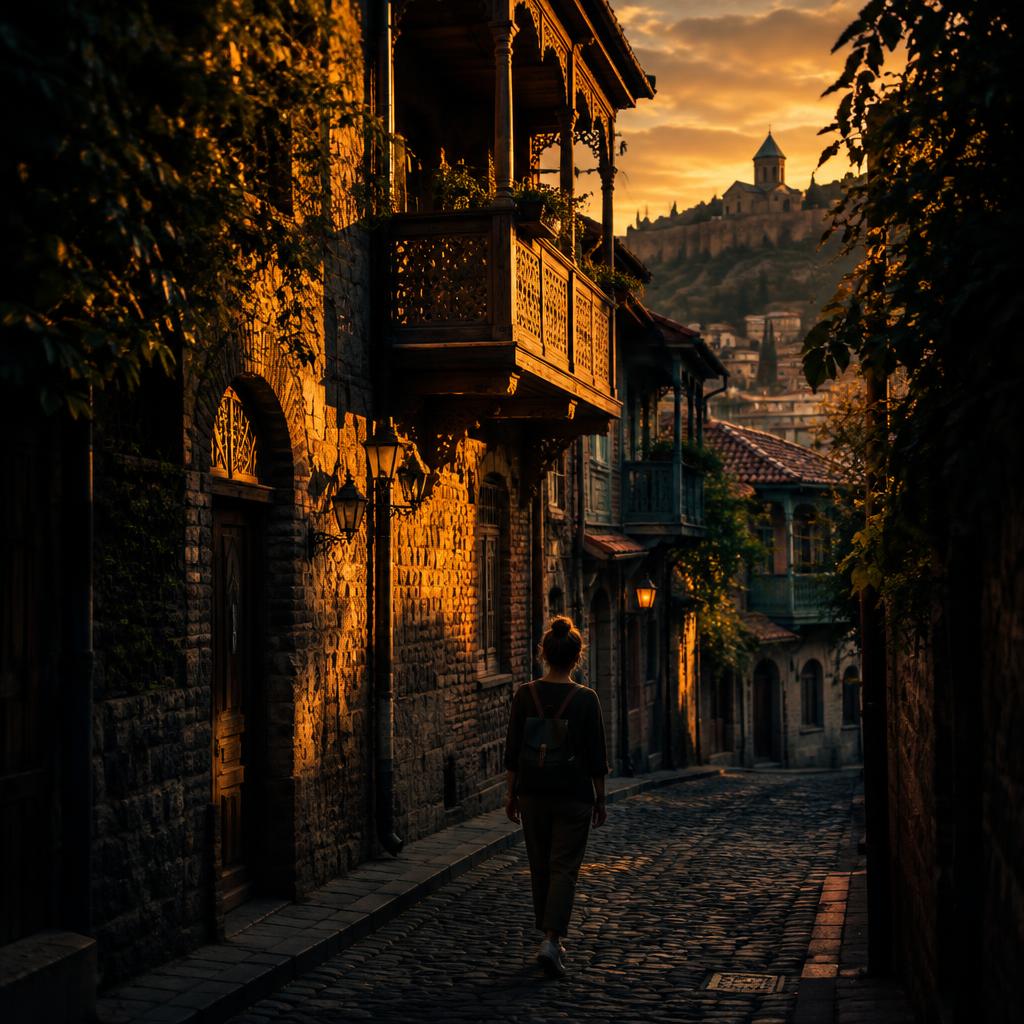
Everything I tell friends before they land: where to stay, how to get around, what to book, what to skip — the practical side of a good trip to Tbilisi.
Sololaki, Mtatsminda or Vera — these are the best districts for a stay in Tbilisi.
Download Bolt (like Uber) — it's fast, affordable, and offers excellent service. A great alternative to traditional taxis and definitely more convenient than public transport (especially since it's not quite as smooth as Swiss! 😜).
Don't take a taxi from the airport. They overcharge — always use the Bolt app. Download Bolt before your arrival and order it when you arrive at the airport.
Georgia is the birthplace of wine (8000 years of winemaking, the oldest one), and its specialty is Qvevri wine, crafted using an ancient Georgian technique. Be sure to try both the red and white varieties — they're absolutely incredible!
To ensure you get a table at the restaurants on this site, especially during Summer and Autumn, I highly recommend booking in advance (they all speak English 😊). They fill up quickly, and wait times can be long without a reservation.
Buy a local SIM for internet called Magti: it's inexpensive and makes using maps or taxi apps easy. Magti offices are available all around the city.
Avoid airport SIM kiosks — prices are exaggerated there.
For Swiss Francs, go to Rico / Rico Credit: frequently praised for fair rates and low or no commission. However, you can pay by card or terminal everywhere 😊.
Skip the airport: airport exchange counters usually offer poor rates, so it's best to avoid them unless absolutely necessary.
Tbilisi is very safe at night (one of the safest cities I would say) — walking around after dark is common and enjoyable. However, watch your step: sidewalks can be uneven, roads narrow, and traffic can be chaotic.
Beware of tourist traps like the Metekhi Bridge area and Davit Aghmashenebeli Avenue — they're overly commercial and designed more for sightseers than locals.
Even though the young generation speaks English, don't count on English everywhere: it's common in tourist areas but less so elsewhere — carry a translation app just in case.
Tbilisi is the city of stray dogs — and they are "Tbilisi citizens too". For the most part, they coexist peacefully with people. Most stray dogs are vaccinated and tagged (plastic tag on the ear), friendly, and used to people. They often nap in parks or on streets, and locals feed them.
In Tbilisi, tap water is absolutely safe and very tasty, coming from mountain sources — locals drink it daily.
In Tbilisi (and all of Georgia), the electricity supply is 220–230 V at 50 Hz. Power sockets are usually Type C (two round pins) or sometimes Type F (two round pins with earth clips on the side).
In Tbilisi, shopping hours are generally relaxed and quite long compared to many European cities. Malls & large supermarkets (like Carrefour, Goodwill, Agromarket): usually 10:00–22:00, seven days a week. Small shops & convenience stores: often open until late night (23:00 or even 24:00); some mini-markets are 24/7. Boutiques & tourist shops: generally 10:00–20:00, sometimes later in busy areas like Rustaveli Avenue or Old Town.